PD Insights

Get in touch

Wellness Product Reviews

The Friendly Guide To Vitamins And Supplements

Disclaimer: This content is for informational purposes only and does not constitute medical advice. Consult a healthcare professional before taking any vitamin and supplements. 

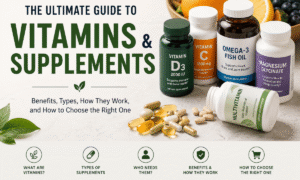
The ultimate guide to vitamins and supplements featuring multivitamins, fish oil, and vitamin C with natural fruits

What Are Vitamins?

For review and easy understanding, refer to the fiendly guide to vitamins and supplements as it encompasses vital information regarding vitamin roles in human health.

Vitamins are categorized into two main types: fat-soluble and water-soluble. Fat-soluble vitamins, such as vitamins A, D, E, and K, are stored in the body’s fatty tissues and liver.

These vitamins can accumulate over time, so it’s essential to monitor your intake to avoid toxicity.

For example, vitamin A is crucial for maintaining healthy vision and immune function, while vitamin D plays a significant role in calcium absorption and bone health.

On the other hand, water-soluble vitamins, including vitamin C and the B-vitamins, are not stored in the body and must be consumed regularly.

Vitamin C is known for its antioxidant properties and its role in collagen production, while B-vitamins are vital for energy metabolism and brain health.
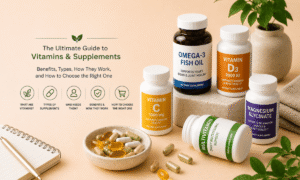
Vitamins are essential micronutrients your body needs to function properly. They support immune health, energy production, brain function, and overall well-being.

In the friendly guide to vitamins and supplements, you will find detailed information about these critical nutrients.

There are 13 essential vitamins, divided into two groups:

  • Fat-soluble: Vitamins A, D, E, K
  • Water-soluble: Vitamin C and B-complex vitamins

Fat-soluble vitamins are stored in the body, while water-soluble vitamins must be replenished regularly.

The friendly guide to vitamins and supplements provides essential review for making informed health choices. Consult a healthcare professional before taking any supplements.

Fat-soluble Vitamins

A, D, E & K

Water-soluble Vitamins

C & B-complex

What Are Supplements?

The friendly guide to vitamins and supplements featuring multivitamins, fish oil, and vitamin C with natural fruitsSupplements come in various forms, including pills, powders, and liquids, making it easier for individuals to incorporate them into their daily routines.

For instance, protein powders can help athletes meet their protein needs, while liquid multivitamins might be preferable for those who have difficulty swallowing pills.

Additionally, supplements can vary in quality and efficacy, so understanding the different types is crucial for making informed choices.

In the friendly guide to vitamins and supplements, you will discover how these products can positively impact your health. This comprehensive resource is designed to provide all the essential information you need.

Supplements are products designed to help fill nutritional gaps in your diet. In the friendly guide to vitamins and supplements, you can explore various types of supplements available today.

Do Vitamins Really Work?

The effectiveness of vitamins and supplements can vary greatly among individuals. Factors such as age, diet, and overall health status play a significant role in how well these products work.

For example, someone with a well-balanced diet rich in fruits, vegetables, and whole grains may not notice much benefit from multivitamins, whereas someone with nutrient deficiencies might see substantial improvements in their health.

Supplements may help if you:

  • Have nutrient deficiencies, which can lead to a range of health issues.
  • Follow a restricted diet, such as vegetarians or vegans who may lack certain nutrients.
  • Are pregnant or aging, as nutritional needs change during these life stages.
  • Have increased nutritional needs due to physical activity or stress.

However, for healthy individuals with a balanced diet, supplements are meant to support—not replace—real food. It’s essential to prioritize whole foods to ensure you receive a broad spectrum of nutrients.

For a deeper understanding, refer to the friendly guide to vitamins and supplements as a valuable resource and review.

Multivitamin (Daily Foundation)

  • Centrum Adult Multivitamin
  • One A Day Multivitamin

👉 Great for overall health, covering essential daily nutrients.

The firendly guide to vitamins and supplements emphasizes the importance of a balanced approach to health.

Multivitamins can be particularly beneficial for people who have busy lifestyles and may not consume a wide variety of foods daily. They are formulated to provide a convenient way to ensure you get essential vitamins and minerals in one dose.

For instance, a multivitamin that includes vitamin D, calcium, and magnesium can aid in bone health, making it a smart choice for individuals who may not get enough of these nutrients from their diet. It’s advisable to choose a multivitamin tailored to your age and gender, as nutrient needs can differ significantly.

To optimize your health, read the friendly guide to vitamins and supplements for comprehensive review and reference.

Vitamin C (Immune Support)

  • Nature’s Bounty Vitamin C
  • NOW Foods Vitamin C-1000

👉 Supports immunity and acts as a powerful antioxidant.

Vitamin C is highlighted in the friendly guide to vitamins and supplements as a key nutrient for immunity.

Vitamin C is not only vital for immunity but also important for skin health and wound healing. It helps in the synthesis of collagen, which is essential for maintaining skin elasticity and preventing signs of aging.

Moreover, it has been shown to enhance the absorption of iron from plant-based foods, making it an essential addition to vegetarian diets.

On the other hand, vitamin D3 is crucial for those who live in areas with limited sunlight exposure, as it helps the body absorb calcium effectively, thus supporting bone density and strength.

Vitamin D3 (Bone + Immunity)

  • Nature Made Vitamin D3
  • Sports Research Vitamin D3

👉 Helps calcium absorption and supports bone strength.

Research has indicated that Omega-3 fatty acids, found in fish oil, provide numerous health benefits, including reducing inflammation and lowering the risk of chronic diseases such as heart disease.

These fatty acids are also crucial for brain health, as they support cognitive function and may help prevent age-related decline. Including Omega-3 supplements in your regimen can be particularly beneficial for individuals who do not consume fish regularly.

Omega-3 Fish Oil (Heart + Brain)

  • Nordic Naturals Ultimate Omega
  • NOW Foods Omega-3 Fish Oil

👉 Supports heart health, brain function, and reduces inflammation.

In the friendly guide to vitamins and supplements, the benefits of Omega-3 are thoroughly reviewed.

Magnesium (Sleep + Recovery)

  • Doctor’s Best Magnesium Glycinate
  • NOW Foods Magnesium Glycinate

👉 Helps relaxation, sleep quality, and muscle recovery.

Magnesium plays an essential role in over 300 biochemical reactions in the body, affecting muscle and nerve function, blood sugar levels, and blood pressure regulation.

It is particularly beneficial for individuals who experience stress or struggle with sleep, as it can help relax the body and mind. Including magnesium-rich foods, such as leafy greens, nuts, and seeds, along with supplementation, can enhance overall well-being.

Reading the friendly guide to vitamins and supplements can enhance your understanding of magnesium’s role in health. Consult a healthcare professional before taking any vitamin and supplements.

How to Choose High-Quality Supplements

When selecting supplements, look for:

  • Third-party testing (USP, NSF certification)
  • Clear labeling and ingredient transparency
  • Proper dosage (avoid megadoses)
  • Reputable brands with positive reviews

Avoid products with unnecessary fillers or exaggerated claims.

Choosing high-quality supplements is crucial for ensuring you receive effective products. Look for certifications that indicate the supplement has been tested for purity and potency.

Additionally, it’s essential to read labels carefully to understand the ingredients and dosages. Some supplements may contain fillers or additives that do not contribute to your health and can even cause adverse reactions.

Safety Tips

  • More is not always better
  • Fat-soluble vitamins can accumulate in the body
  • Some supplements may interact with medications
  • Always follow recommended dosages

Safety should always be a priority when considering vitamins and supplements. It’s essential to consult with a healthcare professional, particularly if you are on medication or have underlying health conditions.

Moreover, be cautious of supplements that claim to be a cure-all; a balanced diet and lifestyle should always be your primary focus for achieving optimal health.

Safety tips in the friendly guide to vitamins and supplements are crucial for responsible supplementation. Consult a healthcare professional before taking any supplements.

Food First Approach

Whole foods provide:

  • Fiber
  • Antioxidants
  • Natural nutrient balance

Supplements should only be used to fill gaps—not replace a healthy diet.

Incorporating a variety of whole foods into your diet is paramount for ensuring you obtain a comprehensive range of nutrients. Foods rich in fiber, antioxidants, and healthy fats contribute significantly to overall health and wellness.

For example, berries are packed with antioxidants, while nuts provide healthy fats that support heart health. By focusing on a food-first approach, you not only nourish your body but also enjoy a diverse and satisfying diet.

Incorporating lessons from the friendly guide to vitamins and supplements can lead to better dietary choices. Consult a healthcare professional before taking any  vitamin and supplements.

Final Thoughts

Final insights in the ultimate guide to vitamins and supplements provide direction for health insights.

Vitamins and supplements can support your health—but they are not magic solutions. Understanding your nutritional needs is crucial to making informed decisions about supplementation. Remember, the best strategy is simple:

Note:
This article contains affiliate links. If you purchase through these links, we may earn a small commission at no extra cost to you. This helps support our website and allows us to continue providing helpful content.