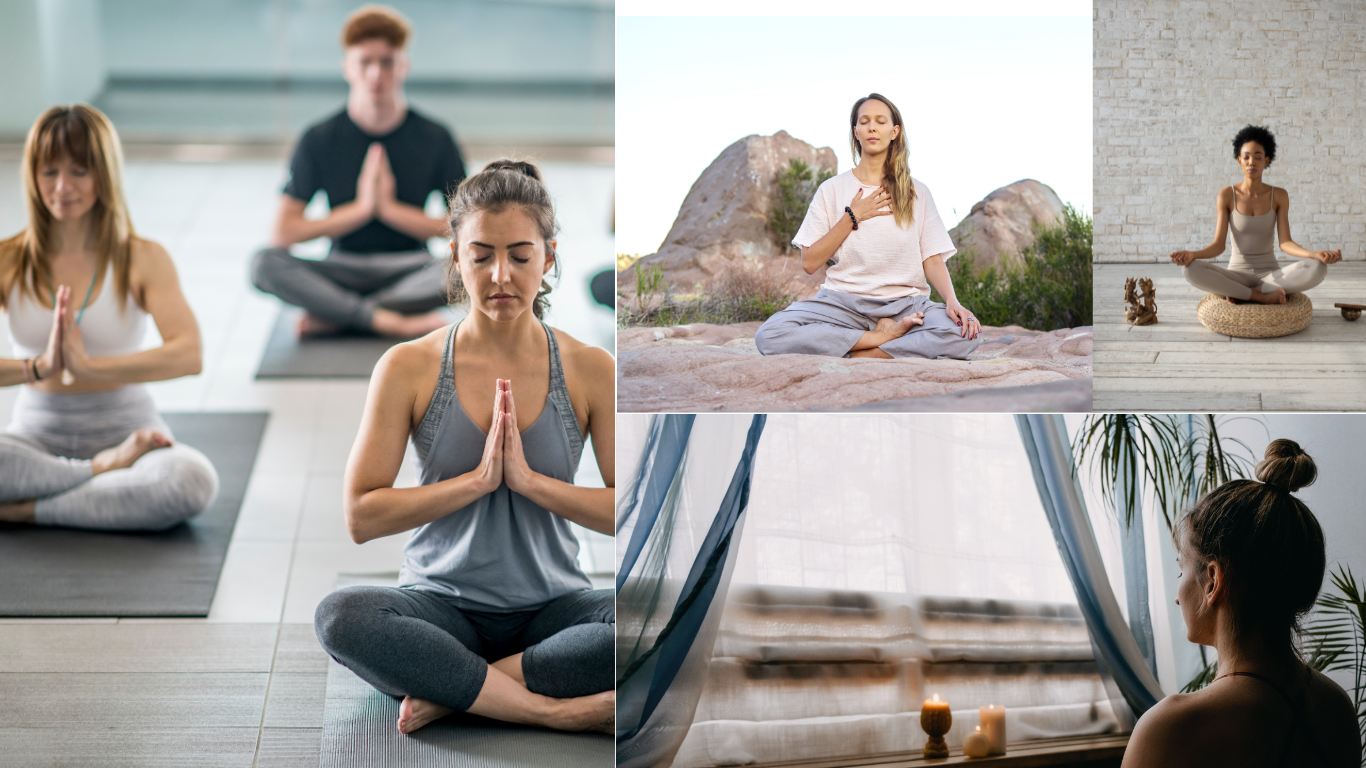
Mindfulness and Meditation: An Overview
Meditation around the world has become one of the most popular alternative health topics today, especially in the form of mindfulness and meditation around the world. In recent years, there has been a significant surge in interest and adoption of mindfulness practices as people increasingly recognize their immense benefits for mental and emotional well-being. See also Mindful Eating.
Mindfulness involves being fully present and aware of the current moment, accepting it without judgment. It helps cultivate calmness, reduce stress, enhance focus, and promote overall mental clarity. Meditation around the world, a key component of mindfulness, encourages a deeper connection with oneself, supporting self-reflection, relaxation, and a lasting sense of inner peace.
Scientific Benefits and Widespread Acceptance
Numerous scientific studies have highlighted the positive impacts of mindfulness and meditation on various aspects of health. From reducing anxiety and depression to improving sleep quality, boosting cognitive abilities, and even supporting physical health, these practices have gained widespread recognition and are often recommended by healthcare professionals.
As individuals seek natural and holistic approaches to maintain their well-being, mindfulness and meditation have become mainstream, attracting people from all walks of life. From dedicated meditation centers and mobile apps to workplace wellness programs and schools incorporating mindfulness into their curricula, the interest in these practices continues to grow.
As we explore meditation around the world, it’s essential to understand its cultural significance and variations in practice.
Practical Application and Modern Relevance
Different regions have unique approaches to meditation around the world, reflecting their diverse philosophies and traditions.
The versatility of mindfulness and meditation is also worth mentioning. They can be easily integrated into daily routines, requiring little to no equipment and adaptable to individual preferences. Whether it’s practicing breathing exercises, guided meditations, or engaging in mindful activities like walking or eating, there are various ways to incorporate mindfulness into our lives.
Ultimately, the popularity of mindfulness and meditation reflects a collective desire for balance, tranquility, and self-awareness in an increasingly fast-paced and digitally connected world. By prioritizing mental and emotional well-being, individuals are embracing these practices as powerful tools for self-care and personal growth.
Incorporating meditation around the world into your life can lead to profound changes in your overall well-being.
How to Perform Mindfulness and Meditation
1. Find a Quiet and Comfortable Space
Start by choosing a place where you won’t be disturbed. It doesn’t need to be fancy—just somewhere calm and comfortable. Sit on a chair or cushion with your back straight but relaxed.



If you’re new to meditation, using a comfortable meditation cushion can greatly improve your posture and help you stay focused during your practice.
2. Focus on Your Breath
Gently close your eyes and bring your attention to your breathing.
- Notice the air going in and out
- Don’t try to control it—just observe
👉 This is the core of mindfulness.
3. Notice Your Thoughts Without Judgment
Your mind will wander—and that’s normal.
Instead of fighting your thoughts:
- Acknowledge them
- Let them pass like clouds
- Gently bring your focus back to your breath
4. Start Small and Stay Consistent
Begin with 5–10 minutes a day. As you get more comfortable, you can increase the time.
✔ Consistency is more important than duration.
5. Practice Mindfulness in Daily Activities
Mindfulness isn’t just sitting still—you can practice it anytime:
- While eating (mindful eating)
- While walking
- Even while doing chores
👉 Just stay present in what you’re doing.
Mindfulness and meditation around the world can be practiced in various forms, adapting to what resonates with you.
Simple Routine You Can Follow
- Sit comfortably
- Focus on your breath
- Notice thoughts and return to breathing
- Practice daily
Final Tip
You don’t need to be perfect. Meditation is not about “emptying your mind”—it’s about becoming aware of it.
You may also read: Benefits of Mindfulness at Mayo Clinic.
As you embark on this journey, remember that meditation around the world offers tools for self-discovery and growth.
Note:
This article contains affiliate links. If you purchase through these links, we may earn a small commission at no extra cost to you. This helps support our website and allows us to continue providing helpful content.