ARTHRITIS REMEDIES IN TRADITIONAL CHINESE MEDICINE (TCM) offers a holistic approach to managing joint conditions, focusing on restoring balance within the body while easing discomfort and improving mobility. Many people turn to these time-tested practices as complementary arthritis remedies that aim to reduce inflammation, support circulation, and enhance overall well-being. Rooted in thousands of years of history, TCM addresses not only the physical symptoms but also the underlying imbalances believed to contribute to joint pain.
1. Acupuncture
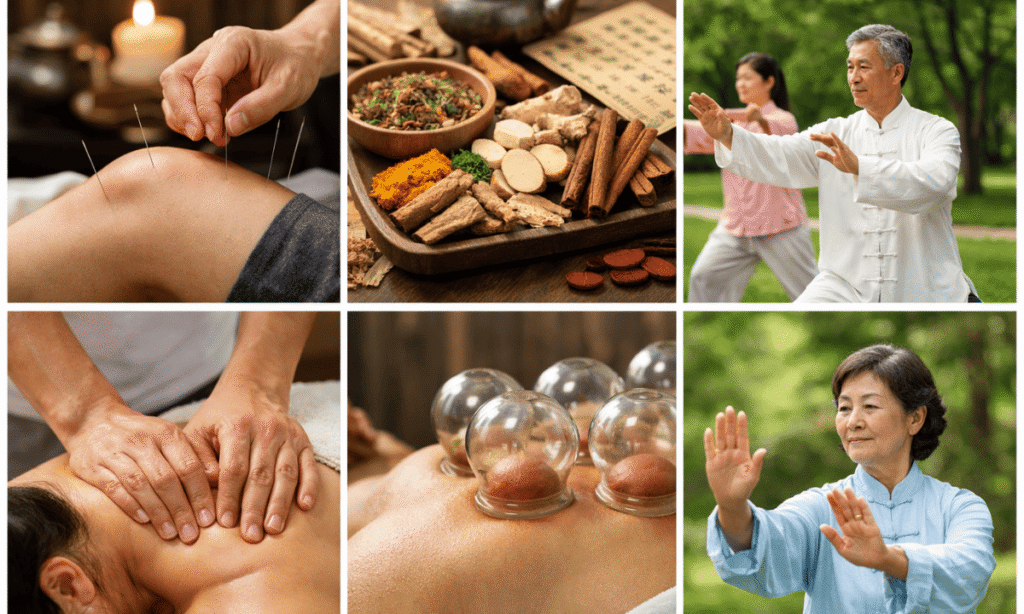
Acupuncture is one of the most recognized therapies in TCM. It involves inserting very thin needles into specific points on the body to stimulate the flow of Qi (vital energy). Practitioners believe that when Qi is blocked or unbalanced, pain and illness can occur. By restoring this flow, acupuncture may help reduce inflammation and relieve chronic joint discomfort. Many individuals seeking natural arthritis remedies report improved flexibility and reduced stiffness after consistent sessions. Additionally, acupuncture is often used alongside other therapies to enhance its overall effectiveness.
2. Herbal Medicine
Chinese herbal medicine is another cornerstone of TCM, utilizing plant-based ingredients to support healing. Herbs such as Eucommia bark, white willow bark, turmeric, ginger, and cinnamon are commonly used for their anti-inflammatory and pain-relieving properties. These herbs are typically combined into customized formulas tailored to an individual’s specific symptoms and constitution. Unlike one-size-fits-all treatments, herbal therapy in TCM is highly personalized. For those exploring alternative arthritis remedies, herbal medicine provides a natural way to address both symptoms and root causes over time.
3. Tai Chi
Tai Chi is a gentle form of exercise that blends slow, flowing movements with deep breathing and mindfulness. Originally developed as a martial art, it is now widely practiced for its health benefits. Regular Tai Chi practice can improve balance, flexibility, and muscle strength, all of which are important for individuals with joint conditions. It also promotes relaxation and reduces stress, which can indirectly help manage pain. Many practitioners consider Tai Chi one of the most effective movement-based arthritis remedies due to its low-impact nature and accessibility for all ages.
4. Tui Na Massage
Tui Na is a therapeutic form of Chinese massage that focuses on stimulating specific points and energy channels in the body. One of an arthritis remedies and techniques include kneading, rolling, and pressing to improve circulation and relieve muscle tension. For arthritis sufferers, Tui Na can help reduce stiffness and increase range of motion in affected joints. It is often used in combination with acupuncture or herbal treatments to provide a more comprehensive healing approach. This hands-on therapy not only addresses physical discomfort but also promotes relaxation and overall balance.
5. Cupping Therapy
Cupping therapy involves placing heated glass or silicone cups on the skin to create suction. This process is believed to stimulate blood flow, loosen tight muscles, and remove stagnation within the body. While it may leave temporary marks on the skin, many people find it deeply relieving. In the context of joint pain, cupping can help reduce inflammation and improve mobility. As one of the traditional arthritis remedies, it is often used alongside other TCM treatments to enhance circulation and support healing.
6. Qigong
Qigong is another mind-body practice similar to Tai Chi but often simpler in its movements. It combines gentle exercises, controlled breathing, and meditation to cultivate and balance Qi. Regular practice can improve joint function, reduce stress, and enhance overall vitality. Qigong is especially beneficial for individuals who prefer a slower, more meditative approach to physical activity. Over time, it may help decrease pain levels and improve quality of life for those dealing with chronic joint issues.
7. Dietary Changes
In TCM, diet plays a crucial role in maintaining health and preventing disease. Foods are categorized based on their energetic properties, such as warming or cooling effects on the body. For arthritis, anti-inflammatory foods like ginger, garlic, turmeric, green tea, and dark leafy greens are often recommended and maybe considered as arthritis remedies. Avoiding overly processed or “damp-producing” foods is also encouraged. Incorporating these dietary adjustments can complement other therapies and strengthen the body’s natural healing processes.
Final Thoughts
Traditional Chinese Medicine offers a wide range of natural approaches that may support joint health and relieve discomfort. While these methods have been practiced for centuries, it is important to remember that scientific evidence varies, and results can differ from person to person. Anyone considering these treatments should consult with a qualified practitioner or healthcare professional to ensure safety and proper guidance. When used thoughtfully, TCM can be a valuable addition to modern care, providing holistic support for those seeking long-term relief.
Note:
This post contains affiliate links. I may earn a commission at no extra cost to you.